Between warmer weather and the nationwide vaccine roll-out, there’s a virtual tsunami of pent-up demand to go out to eat.
Everywhere, restaurants are opening up shuttered patios and hiring staff in anticipation for a busy spring. With all this excitement, it’s important to remember there might be one small fly in that ointment. Food prices might put the squeeze on already tight margins. Short of raising prices and scaring off newly returning diners with sticker shock, getting creative to wow your patrons while protecting those margins might be the spring strategy.
Protein Proxies
Beef, chicken, and pork might be staples on your menu and in great demand from your diners, but COVID disruptions have led to weekly fluctuations that can cause even seasoned chefs with the best food cost control programs to cringe.
Warmer weather can help keep some of those costs under control by shifting from a protein-centric plate to one more focused on lighter spring fare like salads with smaller protein portions. Reduce lettuce use and instead utilize vegetables coming to the end of their season. Think beets, Brussel sprouts, or a warmed potato to create a dish that lends itself to warm days and cool nights. Another option would be to add warmed grains or lentils to the salad as a platform for the protein. Ultimately, the goal is to counter the smaller protein portion with something that will fill your guest up.
Smaller portions can also be offset by using rich cuts that can impart loads of flavor. Short ribs or flanken-cut ribs are perfect vehicles for explosions of flavor, either through marinade or slow braising, especially when grilled just prior to serving for added taste and texture. Counterintuitively, while beef and chicken prices are way up, lamb and duck prices are much more stable with lamb being cheaper than it was a decade ago.
A Fungal Solution
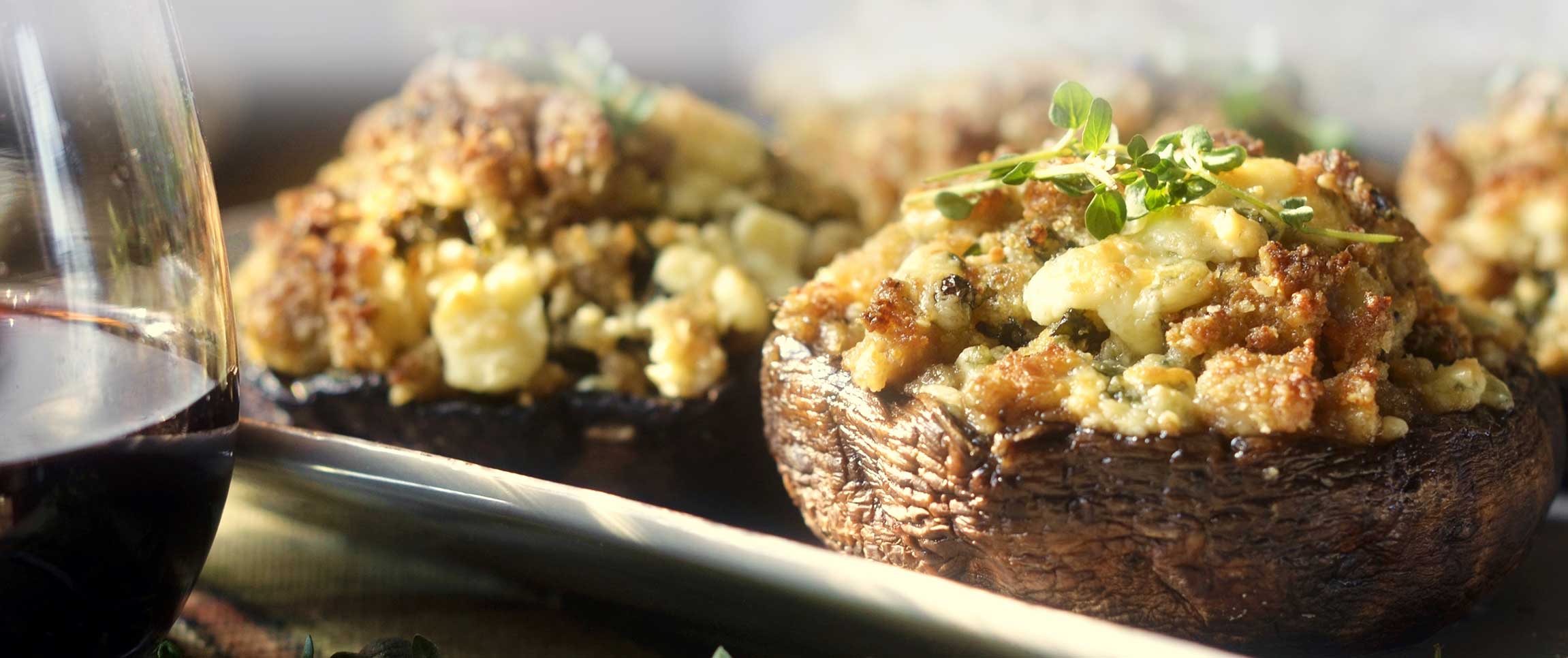
Much like duck and lamb, mushrooms, particularly exotic mushrooms, are less likely to be prepared at home and most of the harvest is used by restaurants. Lower demand over 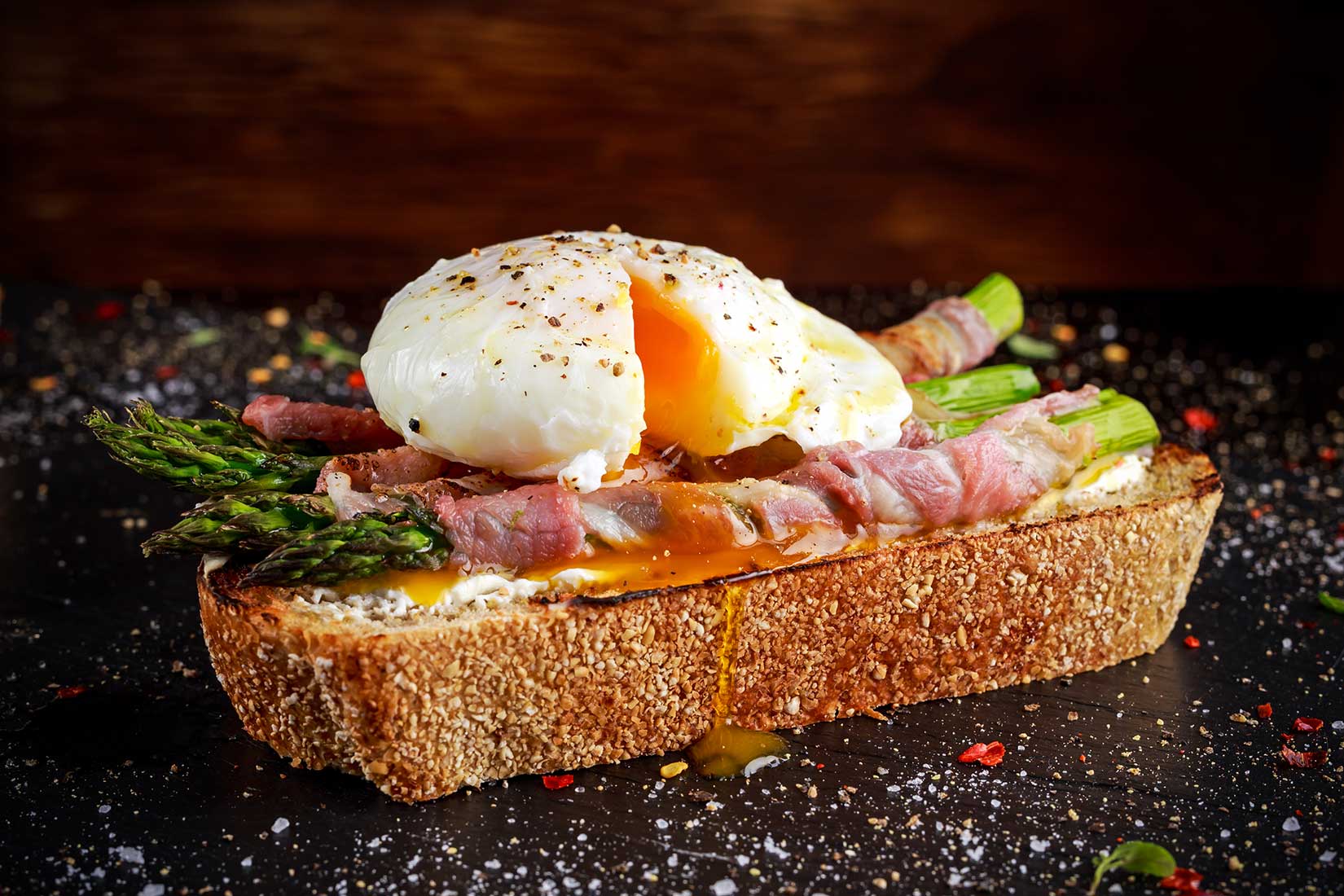 the last year has translated into lower prices, while reduced hunting by professional harvesters has resulted in reports of bumper crops of all sorts of tasty fungi — featuring meaty textures that make for great protein substitutes, as well as popular dishes for vegetarians.
A Good Egg
Quiches have long been a great way to showcase spring produce while adding just a bit of cured meat to pump up the flavor for an inexpensive dish, but don’t limit your non-breakfast use of eggs to just that. Perfect poached eggs, perhaps dusted in herbs or simply with salt and pepper, can be the centerpiece of an elegant but low-cost dish. Serve atop a salad of seasonal greens or paired with crispy lardon and sautéed asparagus for a spring dish that can be served warm or chilled.
Watery Options
Early on in the pandemic, oyster prices fell as restaurant demand dried up. Look beyond simply serving oysters on the half shell and include them in salads, perhaps fried crispy as an alternative to croutons atop a Caesar or pan-fried alongside a radish and cucumber salad. You could even kick off an outdoor happy hour on your patio and grill those oysters to order as a way to juice drink sales.
Many fish prices have also remained stable or experienced only mild increases. Gently poached or seared fish with wilted spring greens or a house-made pasta are sure to be winners.
If you haven’t started incorporating seasonal dishes into your regular menu, now might be the right time to do so. Beyond just serving up more seasonally relevant dishes, it might just be good for your bottom line.